
Flow Study: Dharana: Concentration and Settling the Mind by Leslie Aefsky
If you've been following our Flow Study series, you know we’ve been working through the Eight Limbs of Yoga as outlined in Patanjali's Yoga Sutras. In our last post, we explored the fifth limb: Pratyahara, the withdrawal of the senses and how it turns our attention inward. Today we continue with the sixth limb: Dharana, concentration.

"Concentration is the fixing of the mind in one place.”
—Patañjali, The Yoga Sūtras of Patañjali, Sutra 3.1 (Translated by Edwin F. Bryant)
“Wherever the mind wanders, restless and diffuse in its search for satisfaction without, lead from within; train it to rest in the Self.” —The Bhagavad Gita, (6.26), translated by Eknath Easwaran
What is Dharana?
Dharana, commonly translated as concentration, comes from the Sanskrit root word dhri, which means "to hold." The concept of dharana emphasizes the holding of a steady focus on a single point or field of experience without distraction. Dharana is a preparatory practice; in training the mind to concentrate, we prepare for meditation.
Choosing An Object of Concentration
The object of concentration is personal and can be anything that naturally uplifts and steadies the mind. Sri Swami Satchidananda suggests beginning with concrete objects, symbols, or images rather than abstract objects, which may be more difficult for the mind to grasp. In yoga asana, we often focus attention on the breath, which links movement to sensation and serves as an anchor to present moment awareness.
Why It Matters Now
According to National Geographic, our attention spans are shrinking, with the average time people are able to stay focused on a task before moving to something else decreasing from 2.5 minutes to around 40 seconds over the last two decades. This decrease in attention span and increased mental load can negatively impact the mind. The good news is, attention can be strengthened through practices such as dharana.
The Practice: Returning Again and Again
Practicing dharana is inherently effortful, as it is the nature of the mind to wander. When first beginning to practice, we may find the mind wandering every few seconds. The process of noticing when the mind has wandered and repeatedly bringing it back to the point of focus is an essential part of the practice. As this process can bring up frustration or reactivity, Tara Brach often suggests meeting the wandering mind in the same way you would train a puppy: with patience and consistency.
A Simple Place to Begin
In the beginning, consider committing to a short daily practice of 2-3 minutes. Prioritizing consistent practice over length of time can support building a habit while strengthening attention span without mental fatigue. You can progressively lengthen the duration of your practice as focus grows. Below is a simple practice to try.
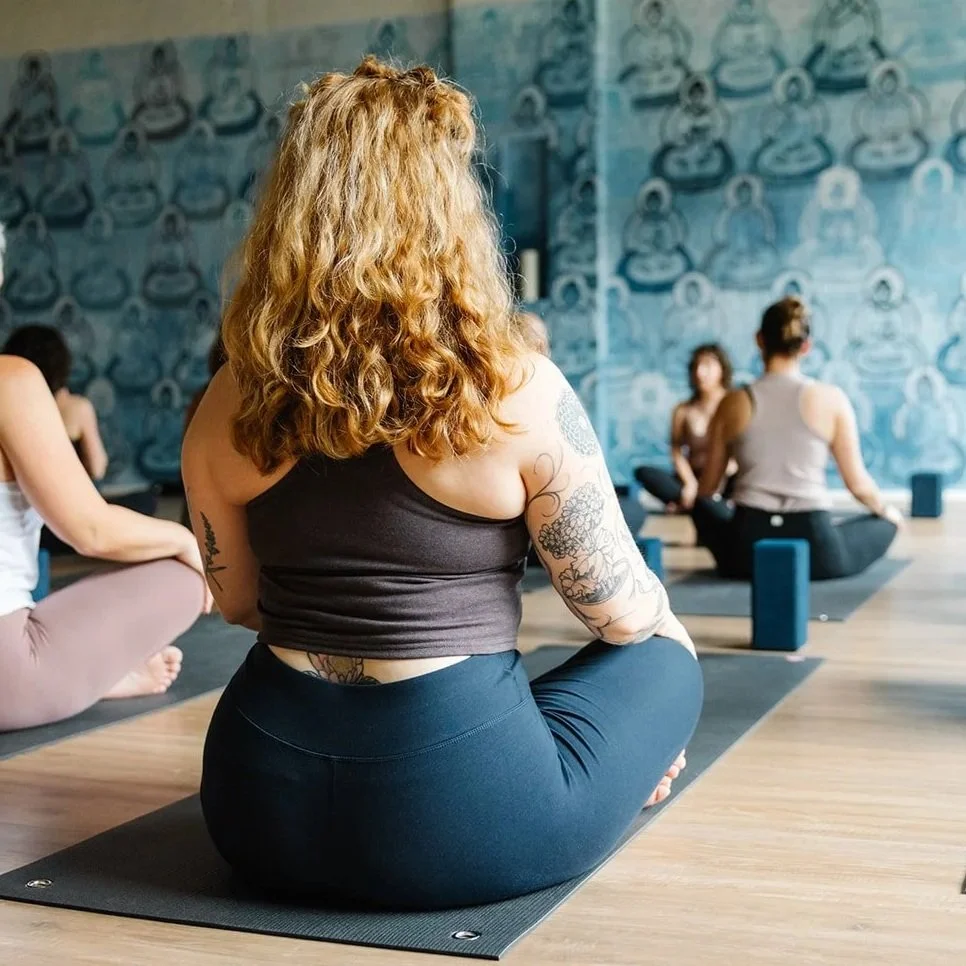
Find your seat: Find a comfortable seated position that allows for a straight spine. You can sit in a straight backed chair with feet on the floor or on a cushion on the floor with hips elevated. Allow the hands to rest on the thighs and the body to become still. Close your eyes or soften your gaze and allow your body to settle into an easeful and alert state. Tip: prioritize comfort to minimize distraction.
Set a timer: Set a timer for 2-3 minutes in advance to help prevent time checking during practice.
Choose an object of concentration: Pick a single object to focus on. In the beginning, you might try simply focusing on an aspect of the breath, such as the rise and fall of the abdomen or the feeling of air passing the tip of the nose.
Practice returning: Direct your attention towards the object of focus. When the mind wanders, as it naturally will, notice without judgement and simply return your focus to the chosen object.
With consistent practice, fleeting moments of focus will gradually deepen into sustained attention. It is in moments of one-pointed concentration that the mind begins to calm and settle and we may begin to observe the mind's natural fluctuations more clearly, without getting caught up in them.
As concentration deepens, dharana naturally progresses to effortless concentration or meditation (dhyana), the seventh limb on the eightfold path and the topic of our next Flow Study exploration.
References:
Bryant, E. F. (2009). The Yoga Sutras of Patañjali: A new edition, translation, and commentary. North Point Press. (Chapter 3, Sutra 1).
Desikachar, T. K. V. (1995). The heart of yoga: Developing a personal practice. Inner Traditions International.
Freeman, R. (2012). The mirror of yoga: Awakening the intelligence of body and mind. Shambhala Publications.
Satchidananda, S. (2012). The yoga sutras of Patanjali (Rev. ed.). Integral Yoga Publications.
Traverso, V. (2026, January 20). The average attention span has shrunk to roughly 40 seconds. Here’s how to get it back. National Geographic. https://www.nationalgeographic.com/health/article/attention-spans-shrinking-how-to-regain